📋 Quick Navigation
What Are Small Dog Nail Clippers?
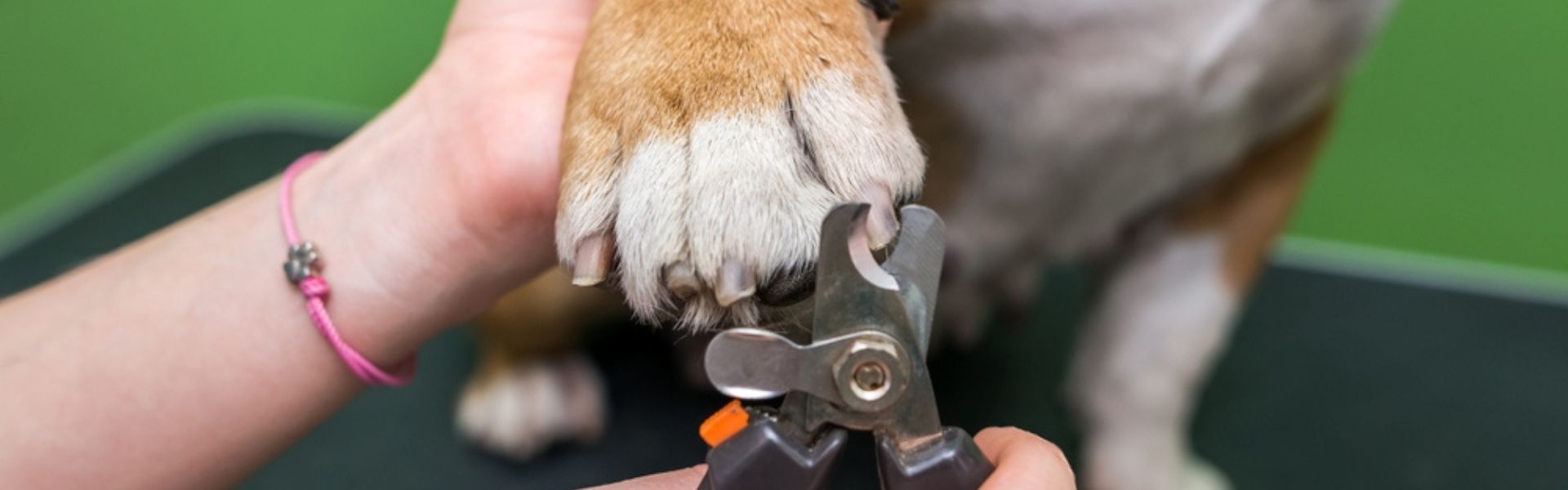
Small dog nail clippers are specialized pet grooming tools designed specifically to trim the nails of small dog breeds safely and effectively. Unlike regular nail clippers or tools designed for larger breeds, these clippers are engineered with smaller cutting openings, lighter weight construction, and precision blades that accommodate the delicate nail structure of toy and small breed dogs.
Proper nail maintenance is essential for your small dog's health and comfort. Overgrown nails can cause significant problems including pain while walking, difficulty gaining traction on smooth surfaces, joint stress from altered gait, torn or split nails that may require veterinary attention, and even permanent skeletal damage in severe cases.
Regular trimming with appropriate small dog nail clippers prevents these issues while keeping your furry companion comfortable and mobile. Beyond physical health, nail trimming at home strengthens the bond between you and your pet, saves money on professional grooming visits, and gives you complete control over your dog's comfort during the grooming process.
Why Nail Trimming Matters for Small Breeds
Understanding Nail Anatomy
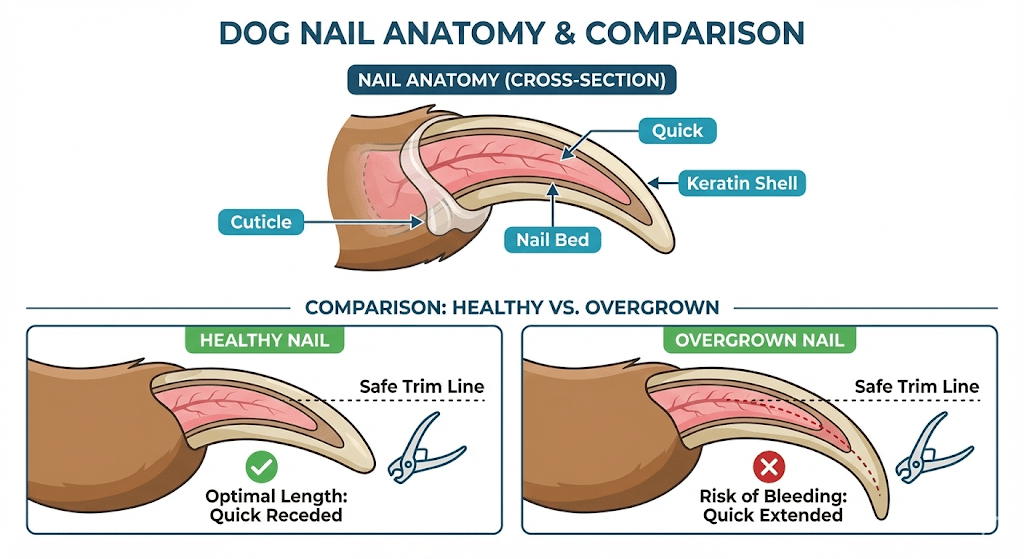
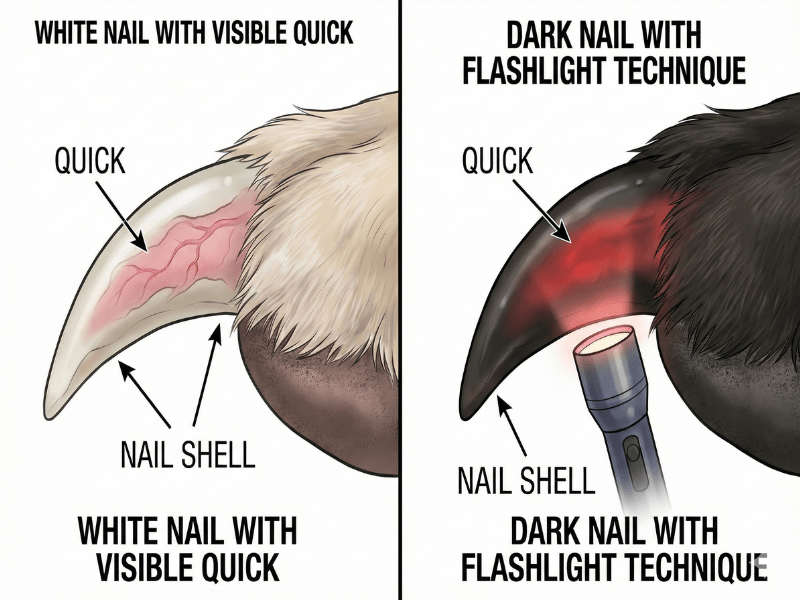
Dog nails consist of the hard outer shell (keratin), the quick (blood vessel and nerve running through the nail), the cuticle, and the nail bed where growth occurs. In small dogs, the quick grows surprisingly close to the nail tip, making precision cutting essential.
Problems Caused by Overgrown Nails
- Immediate discomfort: Overgrown nails force toes to splay unnaturally when your dog walks
- Audible clicking: Clear sign that nails are touching surfaces they shouldn't
- Joint problems: Altered gait can lead to arthritis over time
- Nail injuries: Catching on carpets or furniture causing painful tears
- Posture issues: Affects spine and skeletal alignment
Types of Small Dog Nail Clippers: Complete Comparison
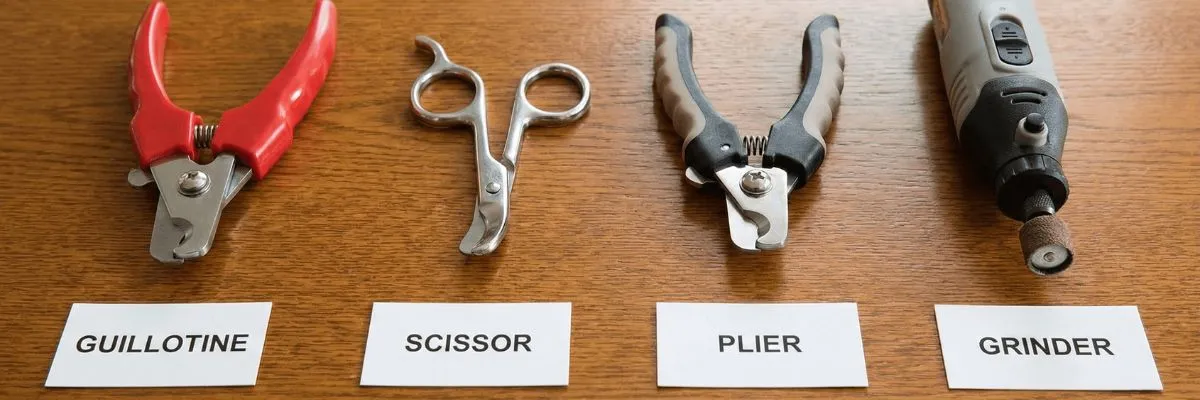
Choosing the right type of nail clipper significantly impacts your grooming success. Each style offers distinct advantages depending on your experience level, your dog's temperament, and nail characteristics.
1. Guillotine-Style Clippers
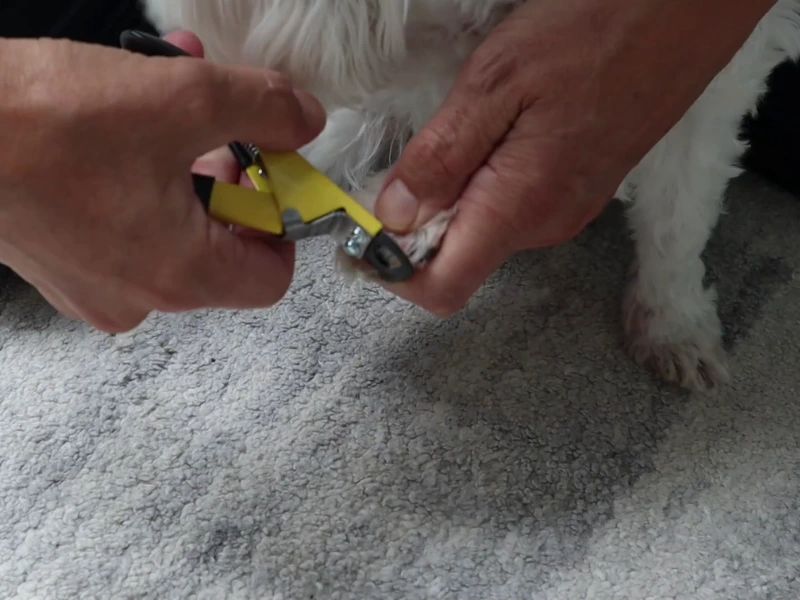
Guillotine-style clippers feature a circular opening where you insert your dog's nail, then squeeze the handle to bring down a sharp blade that slices through from one side.
✅ Pros
- Precise cutting angle
- Excellent visibility
- Compact and lightweight
- Affordable ($7-20)
- Replaceable blades
- Minimal hand strength needed
❌ Cons
- Learning curve for positioning
- Can crush if blade is dull
- Not for very thick nails
- Requires accurate alignment
2. Scissor-Style Clippers
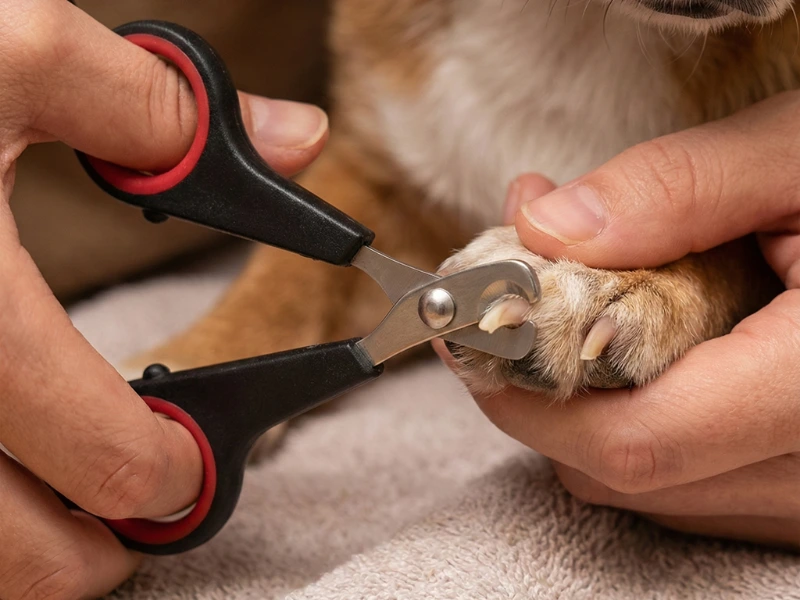
Scissor-style clippers resemble traditional scissors but feature thick, curved blades specifically engineered for cutting through nail material.
✅ Pros
- Superior control for tiny nails
- Clean cuts with minimal pressure
- Comfortable grip
- Less intimidating appearance
- Spring-loaded options available
- Excellent visibility
❌ Cons
- Requires sharp blades
- Struggles with thicker nails
- Blades not replaceable
- Needs steady hands
3. Plier-Style Clippers
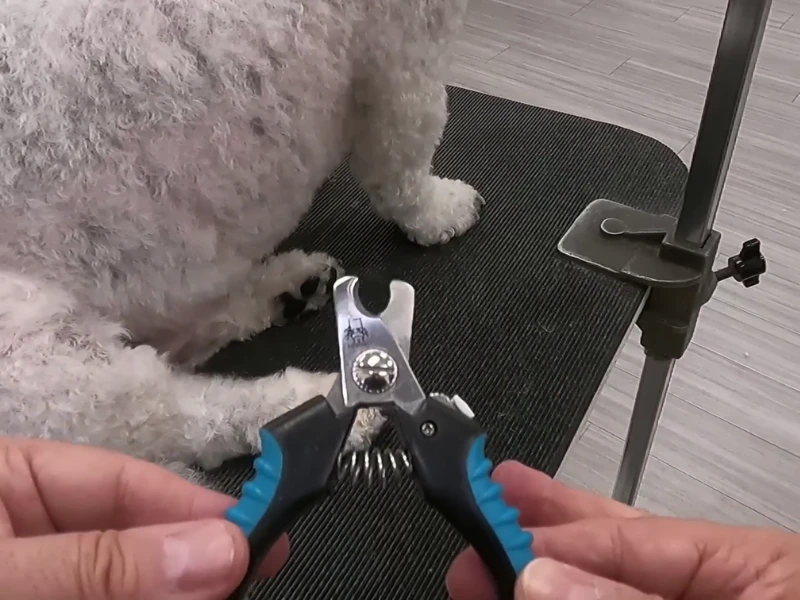
Plier-style clippers use leverage to multiply your squeezing force, making cutting effortless even for tougher nails.
✅ Pros
- Easy squeeze requires minimal effort
- Spring-loaded comfort
- Beginner-friendly
- Versatile for different thicknesses
- Durable construction
❌ Cons
- Larger, bulkier design
- Less precise for tiny nails
- Can overwhelm nervous dogs
- Higher price ($12-25)
4. Nail Grinders / Rotary Tools
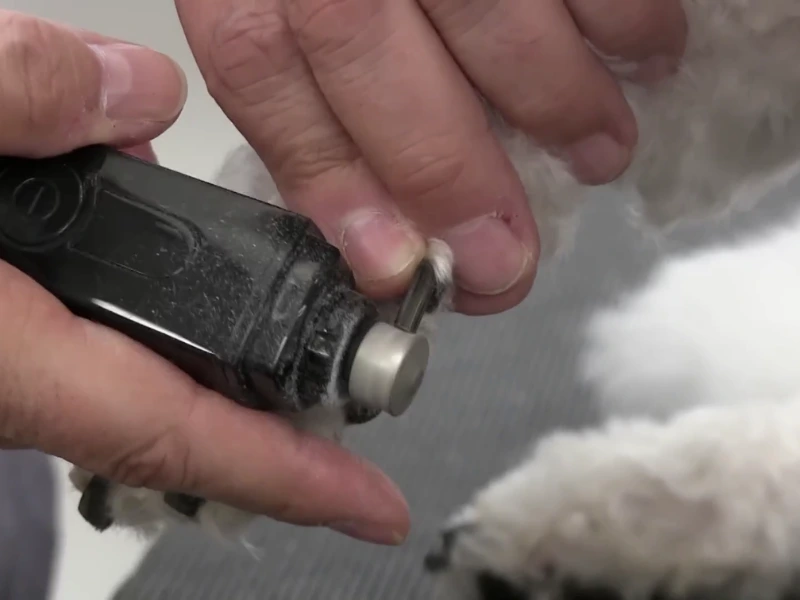
Nail grinders use a rotating file to gradually grind down nail length, similar to how you might file your own nails.
✅ Pros
- Virtually impossible to cut quick
- Smooth, rounded finish
- Quiet operation available
- Extremely precise control
- No risk of splitting
- Good for anxious dogs
❌ Cons
- Takes longer (3-5 min/paw)
- Requires charging
- Some dogs dislike vibration
- Creates nail dust
- Higher cost ($20-50)
Quick Comparison Table
| Type | Best For | Nail Size | Ease of Use | Price Range | Speed | Precision |
|---|---|---|---|---|---|---|
| Guillotine | Small dogs, delicate nails | Very small to small | Moderate | $7-20 | Fast | High |
| Scissor | Tiny nails, toy breeds | Very small | Easy | $8-20 | Fast | Very High |
| Plier | Beginners, thicker nails | Small to medium | Very Easy | $12-25 | Fast | Moderate |
| Grinder | Anxious dogs, safety | All sizes | Moderate | $20-50 | Slow | Extremely High |
Essential Features to Look For
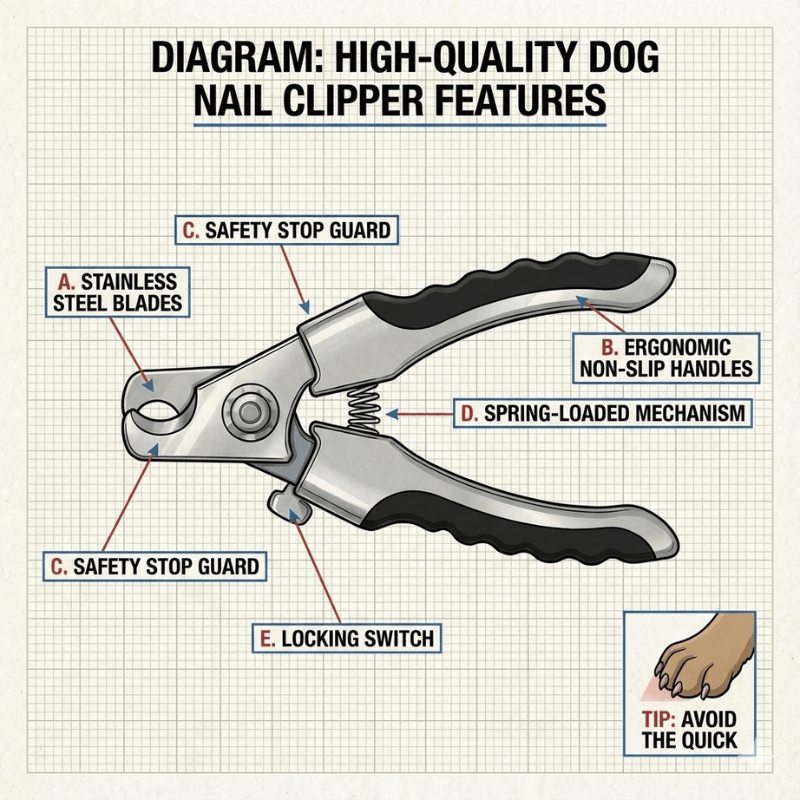
🔪 Sharp Stainless Steel Blades
Blade quality is the single most important factor. Sharp stainless steel blades cut cleanly without crushing. Look for surgical-grade or high-carbon stainless steel for the best longevity.
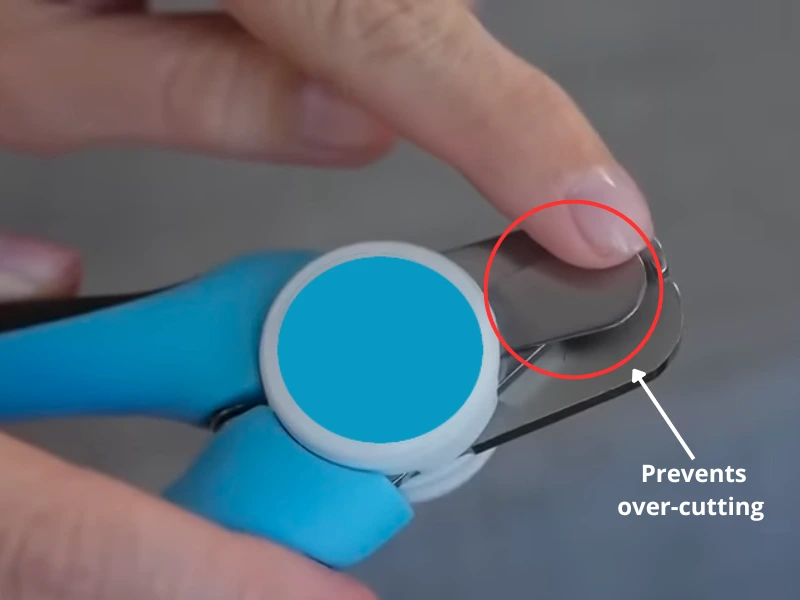
🛡️ Safety Guard / Quick Stop Protection
Safety guards limit how far you can insert your dog's nail, preventing over-cutting. Invaluable for beginners learning to identify the quick.
🤲 Ergonomic Handles & Non-Slip Grip
Comfortable, non-slip handles ensure control and reduce hand fatigue. Rubber coating or textured grips prevent slipping even with sweaty hands.
🔄 Spring-Loaded Mechanism
Automatically reopens handles after each cut, dramatically reducing hand fatigue during longer grooming sessions with multiple dogs.
📁 Built-in Nail File
Smooths rough edges after clipping for a professional finish that prevents snagging.
🔧 Replaceable Blades
Extends tool lifespan. Purchase replacement blades ($3-8) instead of buying entirely new clippers.
🔒 Storage Lock / Blade Cover
Safety features for storage prevent accidental injuries when reaching into grooming kits.
Top Recommended Small Dog Nail Clippers (2026)
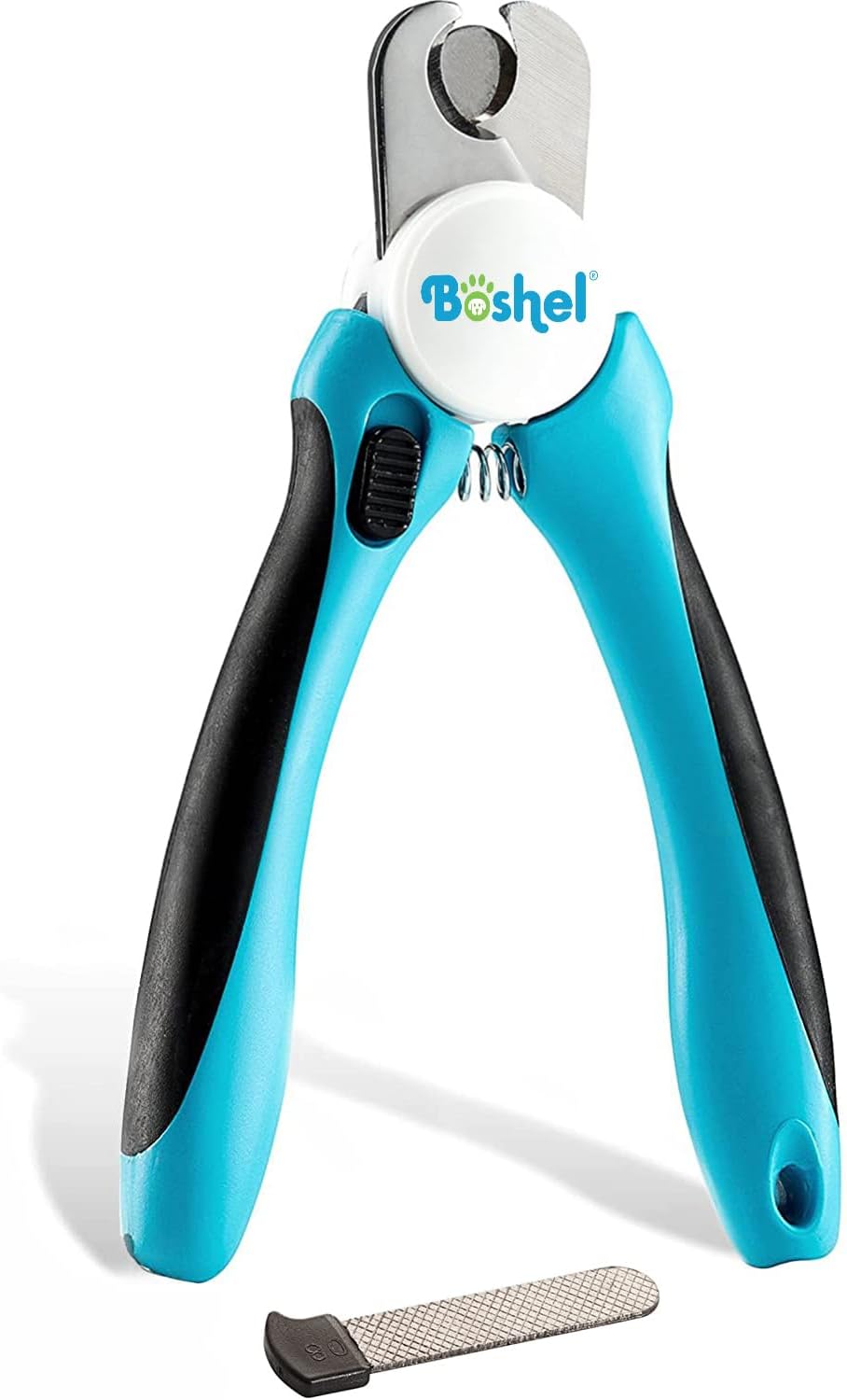
Boshel Small Dog Nail Clippers – Editor's Choice
$11.97
Type: Guillotine | Best For: Beginners & small breeds under 25 lbs
- Safety guard prevents over-cutting
- Surgical-grade stainless steel blade
- Rubber-coated non-slip grip
- Includes free nail file
- Safety lock for storage
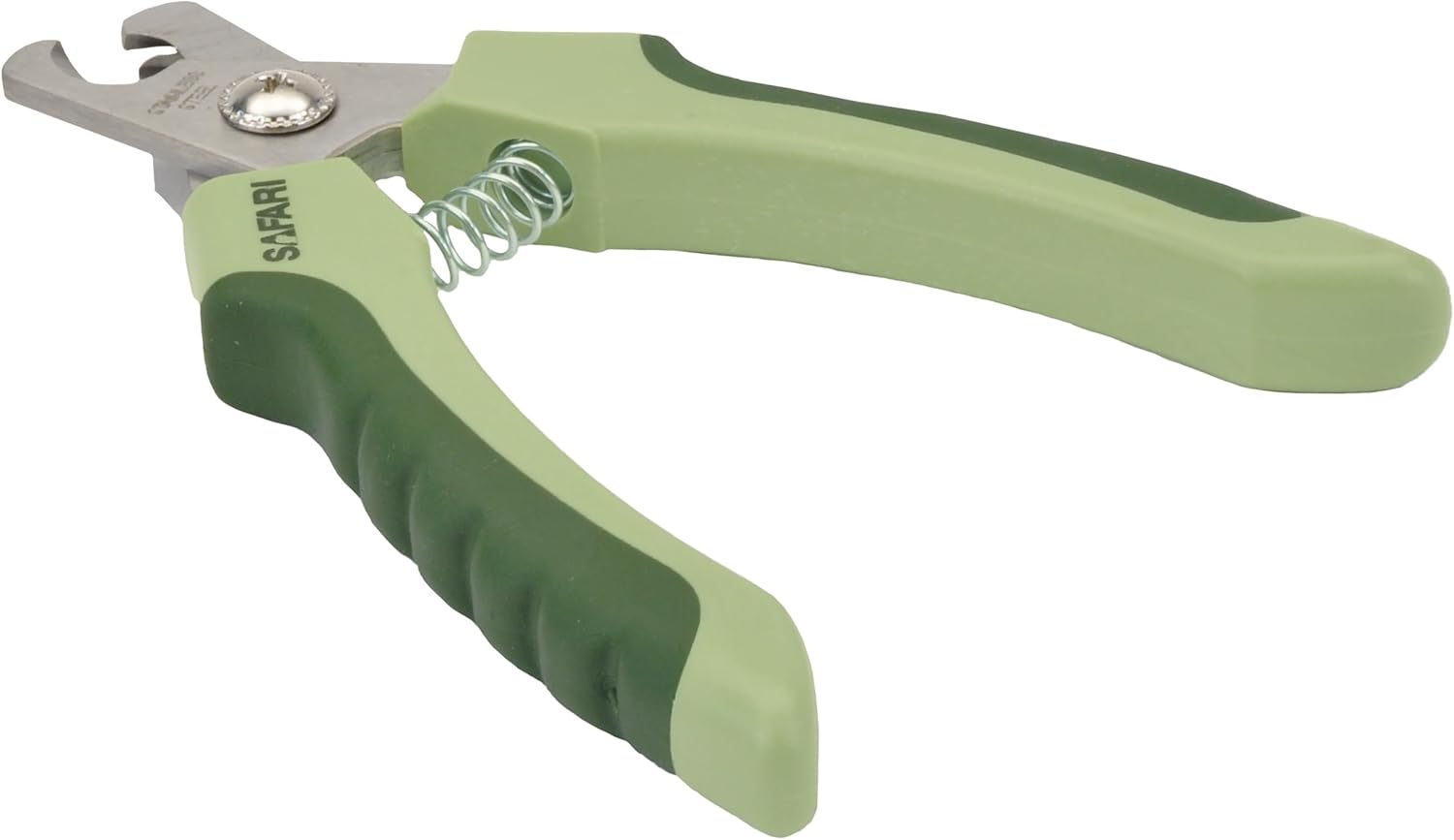
Safari Professional Nail Trimmer for Small Dogs
$12.49
Type: Scissor | Best For: Toy breeds & precision cutting
- Professional-grade quality
- Sharp stainless steel blades
- Safety stop prevents over-cutting
- Veterinarian recommended
- Comfortable ergonomic design
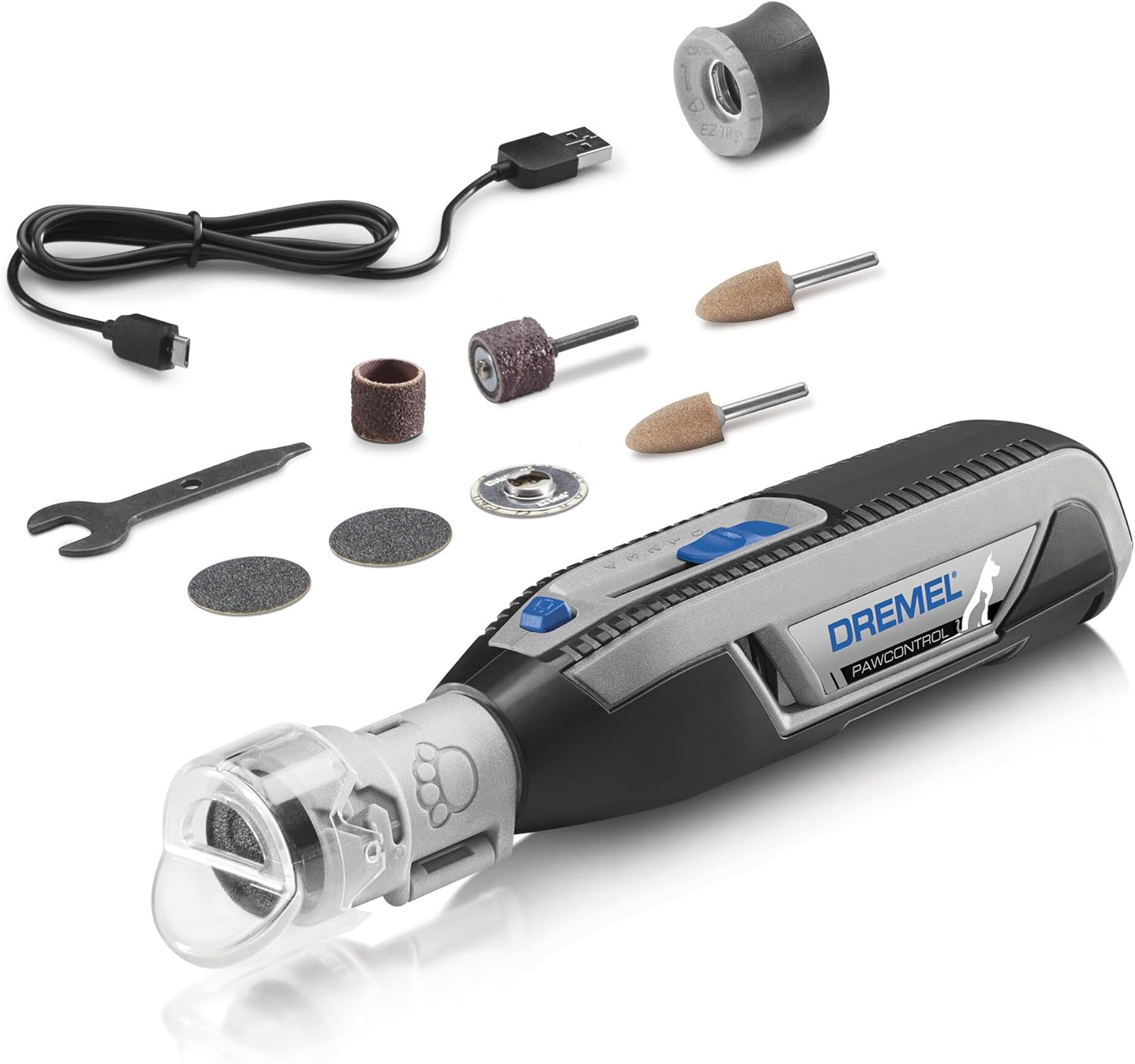
Dremel Pet Nail Grinder – Best for Anxious Dogs
$63.99
Type: Electric Grinder | Best For: Noise-sensitive dogs
- Whisper-quiet operation (55 dB)
- 2-speed settings for control
- USB rechargeable battery
- Protective cap with multiple ports
- Impossible to cut the quick
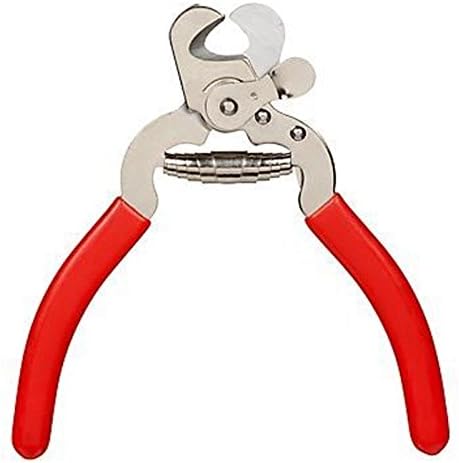
Millers Forge Dog Nail Clipper – Best Budget Pick
$8.34
Type: Guillotine | Best For: Budget-conscious owners
- Veterinary clinic standard
- Durable stainless steel blade
- Compact design
- Replacement blades available
- Trusted for decades
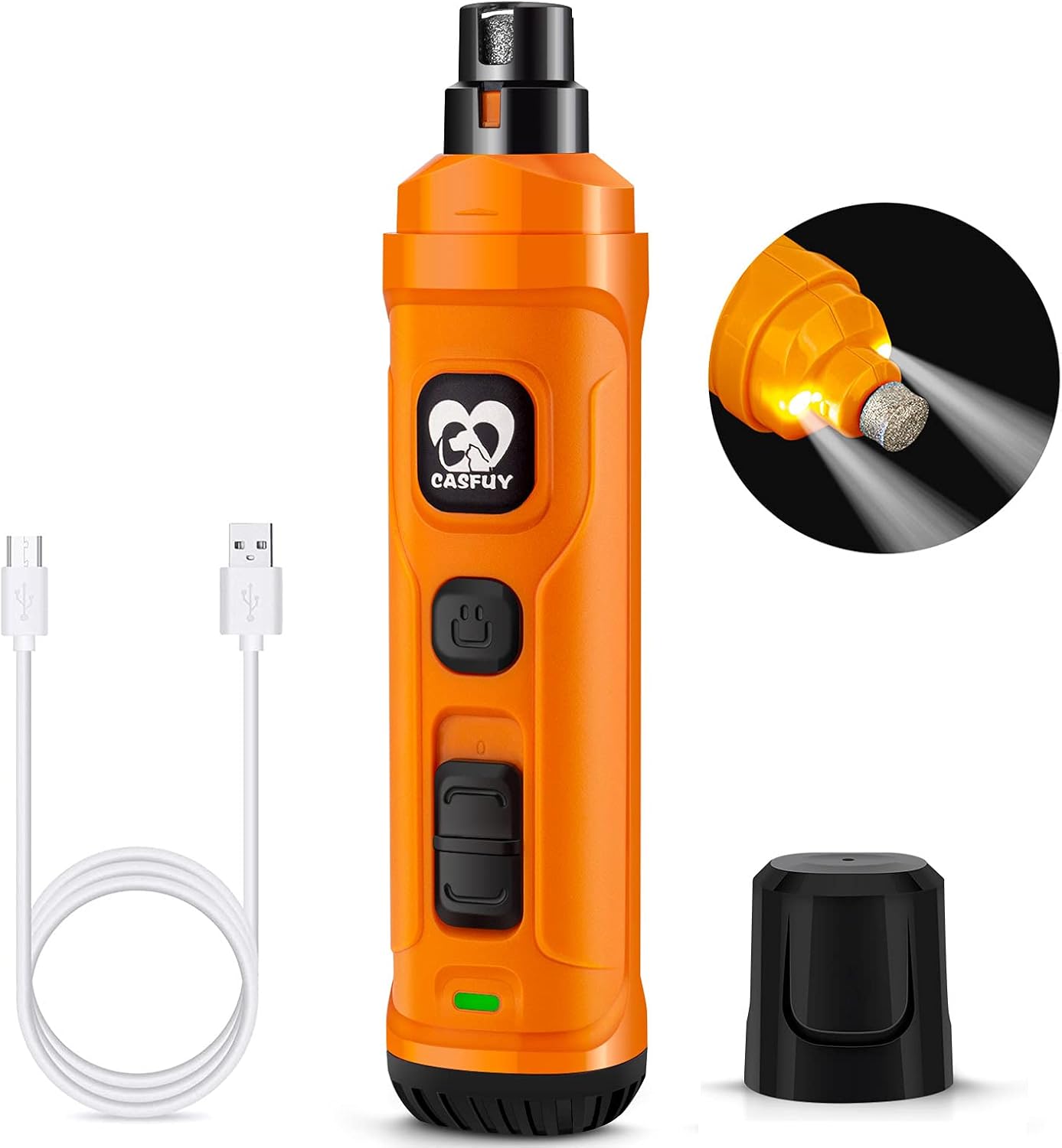
Casfuy Dog Nail Grinder – Ultra-Quiet with LED Light
$19.99
Type: Electric Grinder | Best For: Dark nails & nervous dogs
- Whisper-quiet 40 dB operation
- Built-in LED light illuminates quick
- 2 speed settings
- Diamond bit grinder
- USB rechargeable
Essential Accessories
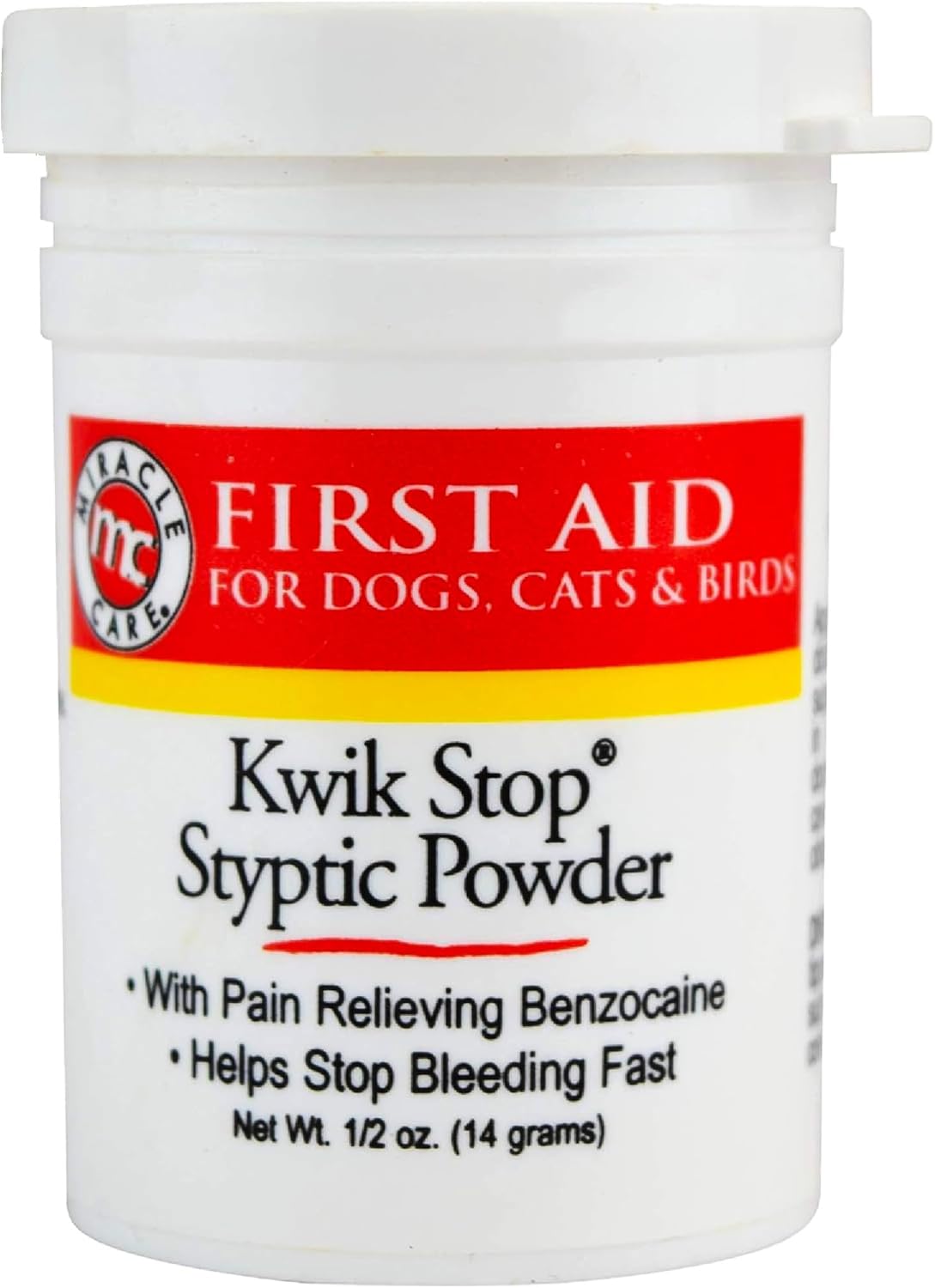
Kwik Stop Styptic Powder – Must-Have Safety Item
fROM $6.95
Essential for: Stopping bleeding if you accidentally cut the quick
- Stops bleeding in seconds
- Contains benzocaine for pain relief
- Veterinarian recommended
- Lasts for years
Step-by-Step Guide: How to Safely Trim Small Dog Nails

Tools You'll Need
- ✅ Small dog nail clippers (chosen from types above)
- ✅ Styptic powder or cornstarch
- ✅ High-value treats your dog loves
- ✅ Flashlight or phone light
- ✅ Nail file or grinder for finishing
- ✅ Towel for gentle restraint if needed
- ✅ Good lighting to see clearly
Choose a quiet time when your dog is naturally relaxed—after a walk, play session, or meal works well. Sit on the floor or a low chair with your dog in your lap or beside you. Speak in calm, upbeat tones and offer treats freely.

Practice paw handling regularly, not just during nail trimming. Gently hold each paw, press paw pads to extend nails, massage between toes, and offer treats throughout. When your dog accepts handling calmly, progress to holding the clipper near paws without cutting.
The quick is the pink blood vessel inside the nail. On white nails, it appears pink through the nail. On dark nails, use a flashlight behind the nail to illuminate internal structures. Cut gradually in small increments, watching for the gray/pink oval on the cut surface.
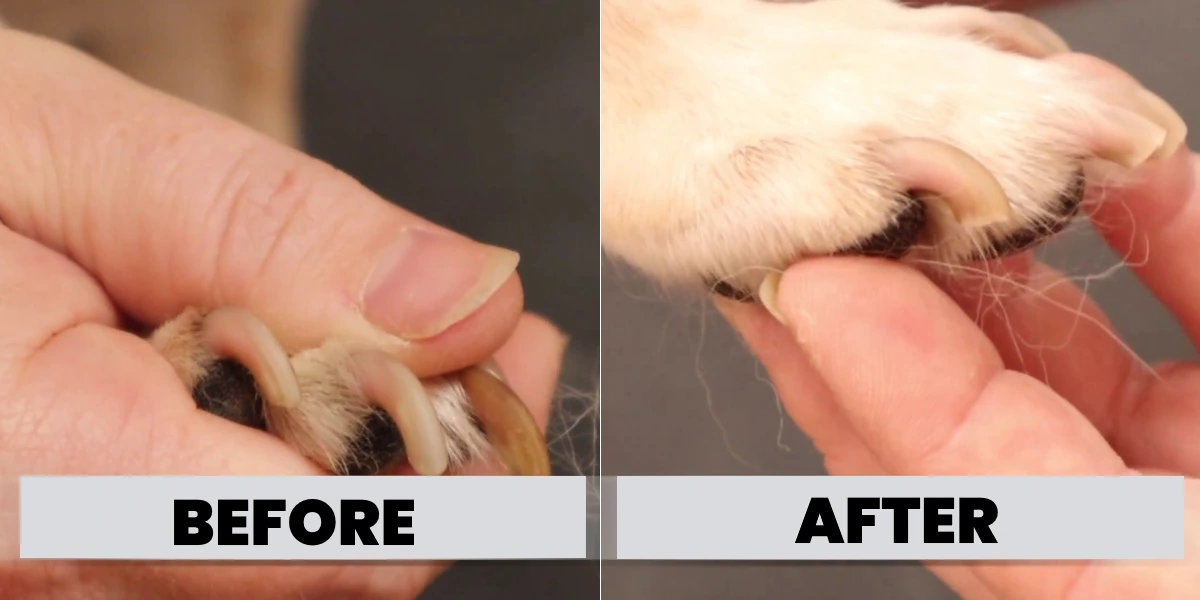
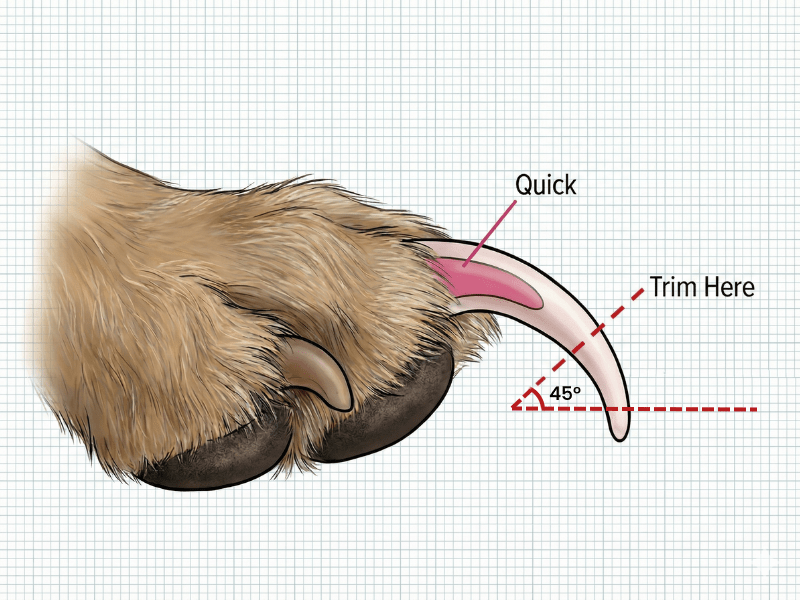
Hold clippers at a 45-degree angle to the nail. For guillotine clippers, insert nail through the ring with cutting blade facing you. Squeeze decisively in one smooth motion. Remove only 1-2mm at a time, examining after each cut.
After clipping, use a nail file or grinder to smooth rough edges. File in one direction for best results. This prevents snags and creates a professional finish.
End each session positively with extra treats, praise, and affection—even if the session didn't go perfectly. Positive associations make future trimmings easier.
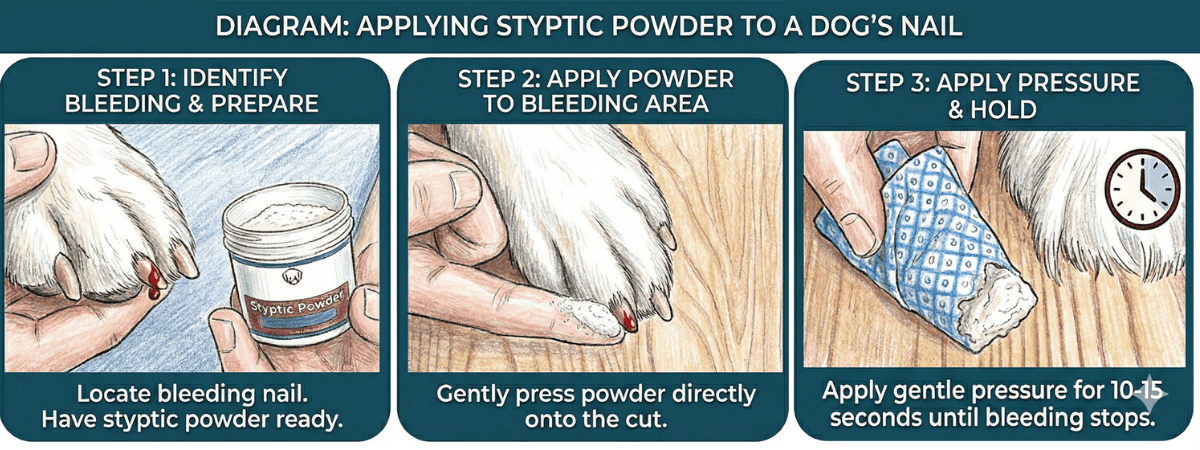
If You Cut the Quick
- Stay calm—your anxiety transfers to your dog
- Apply styptic powder immediately to the nail end
- Apply gentle pressure for 30-60 seconds
- Keep your dog still for 5-10 minutes
- Don't let them walk on rough surfaces
- End the session positively with treats
Safety Tips & Common Mistakes to Avoid
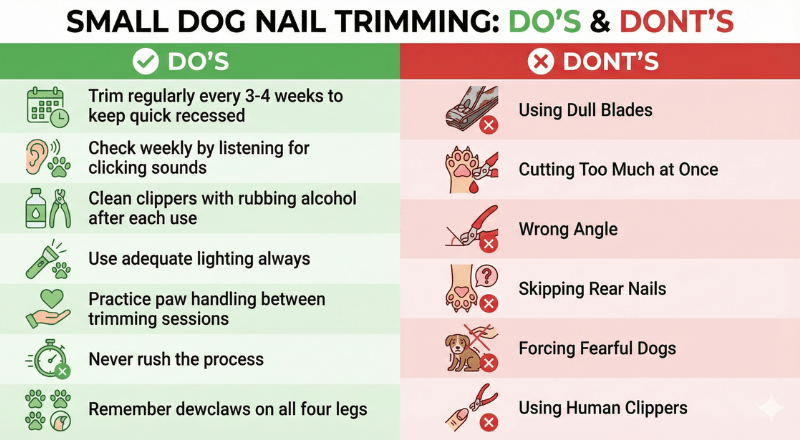
❌ Common Mistakes
| Mistake | Why It's Harmful | Solution |
|---|---|---|
| Using Dull Blades | Crushes nails causing pain and splitting | Replace/sharpen when cutting requires excessive force |
| Cutting Too Much at Once | Increases quick-cutting risk | Make multiple small 1-2mm cuts instead |
| Wrong Angle | Causes splitting and discomfort | Cut at 45-degree angle following natural curve |
| Skipping Rear Nails | Rear nails grow just as quickly | Make all four paws part of routine |
| Forcing Fearful Dogs | Damages trust and worsens fear | Use gradual desensitization; break into small steps |
| Using Human Clippers | Crushes dog nails designed for flat human nails | Invest $7-20 in proper dog clippers |
✅ Best Practices
- Trim regularly every 3-4 weeks to keep quick recessed
- Check weekly by listening for clicking sounds
- Clean clippers with rubbing alcohol after each use
- Use adequate lighting always
- Practice paw handling between trimming sessions
- Never rush the process
- Remember dewclaws on all four legs
Frequently Asked Questions
Ready to Start Safe Nail Trimming?
Choose from our top-rated small dog nail clippers and transform grooming from stressful to simple. Your small dog's paws deserve the best care!
View Top Products →Final Thoughts

Choosing the right small dog nail clippers doesn't have to be complicated. Whether you select a beginner-friendly guillotine style with safety features, opt for the precision of scissor-style trimmers, or prefer the gentle approach of a quiet grinder, you're making an important investment in your pet's health and comfort.
Regular nail maintenance prevents pain, reduces injury risk, and strengthens the bond between you and your furry companion. With the right tools, proper technique, and patience, home nail trimming becomes a manageable routine that saves money on grooming visits while giving you full control over your dog's care.
For most pet owners, mid-range options offer the best value. They include important safety features and use quality materials without the premium pricing of professional tools. The additional $5-10 over budget options translates to significantly better performance and longer lifespan.